

1. Grand Canyon, Arizona
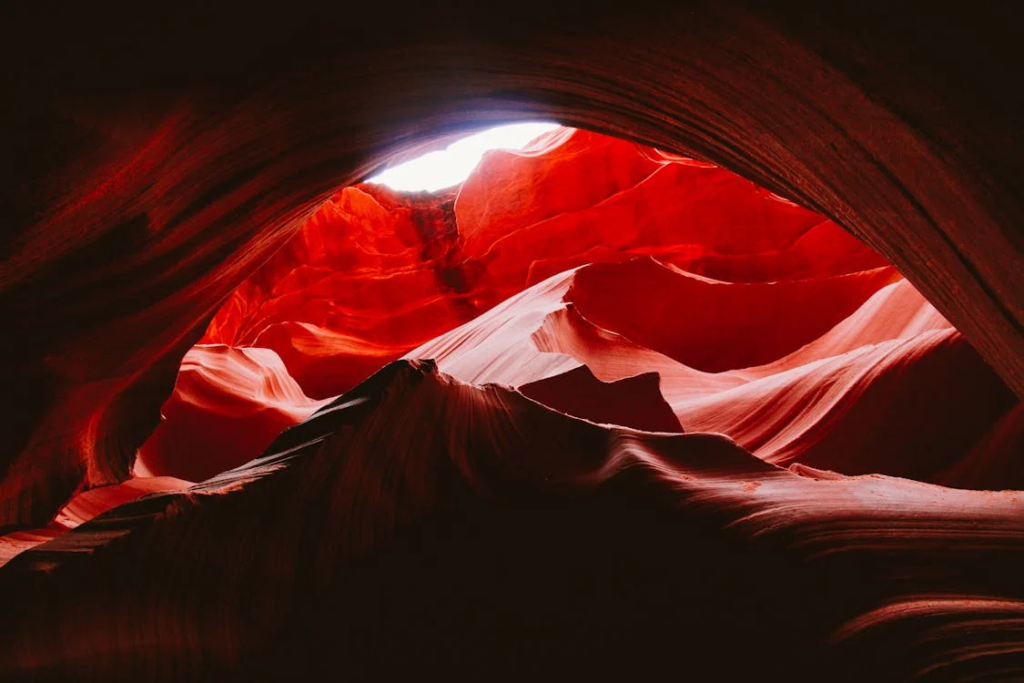
The Grand Canyon ranks among the world’s most spectacular natural landmarks. This massive gorge, carved by the Colorado River over millions of years, stretches 277 miles long and reaches depths of over a mile. The layered red rock formations reveal nearly two billion years of geological history.
Visitors can explore the canyon through multiple activities suited to different fitness levels. Hiking trails range from easy rim walks to challenging descents into the canyon itself. Popular trails include the Bright Angel Trail and South Kaibab Trail. River rafting trips on the Colorado River offer a unique perspective from the canyon floor. For those who prefer less strenuous options, viewpoints along the rim provide breathtaking panoramas perfect for photography.
The South Rim stays open year-round and offers the most visitor services, while the North Rim provides a quieter experience but closes during winter. Sunrise and sunset create especially dramatic lighting that transforms the canyon’s colors.
2. New York City, New York

New York City pulses with energy that captivates millions of visitors annually. The city’s five boroughs each offer distinct neighborhoods and attractions worth exploring.
Manhattan’s iconic landmarks include the Statue of Liberty, Empire State Building, Times Square, and Central Park’s 843 acres of green space in the heart of the city. Broadway theaters showcase world-class performances nightly. World-renowned museums like the Metropolitan Museum of Art, Museum of Modern Art, and American Museum of Natural History house collections that could occupy weeks of exploration.
The city’s food scene reflects its incredible diversity, with authentic cuisine from virtually every culture. From street food to Michelin-starred restaurants, New York satisfies every palate and budget. Brooklyn’s neighborhoods offer hip cafes, craft breweries, and waterfront parks with stunning Manhattan skyline views.
The subway system makes getting around relatively easy, though the city’s walkability means you’ll discover hidden gems simply by exploring on foot.
3. Yellowstone National Park, Wyoming/Montana/Idaho
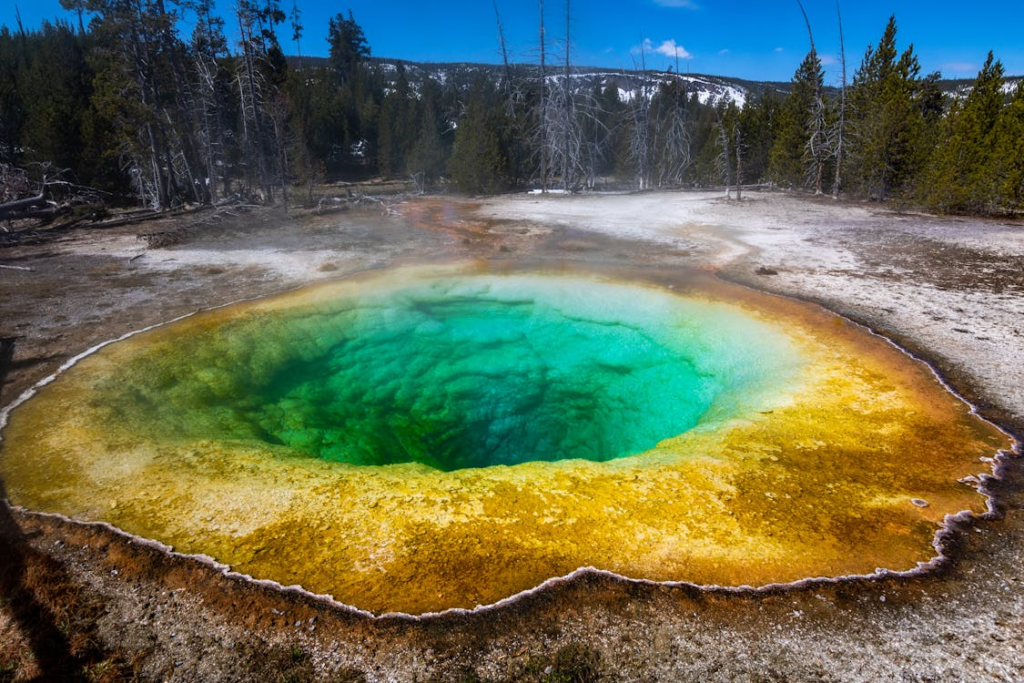
Established in 1872 as America’s first national park, Yellowstone protects a vast wilderness spanning over 2.2 million acres across three states. The park sits atop a massive volcanic hotspot that powers its famous geothermal features.
Old Faithful geyser erupts approximately every 90 minutes, shooting thousands of gallons of boiling water over 100 feet into the air. The Grand Prismatic Spring displays vivid rainbow colors created by heat-loving bacteria living in its mineral-rich waters. Hundreds of other geysers, hot springs, and mud pots dot the landscape, creating an otherworldly environment.
Wildlife viewing opportunities abound throughout the park. Bison herds often block roads as they migrate between grazing areas. Elk, wolves, grizzly bears, and black bears roam the forests and meadows. The Lamar Valley, nicknamed “America’s Serengeti,” offers some of the best wildlife watching, especially during dawn and dusk.
Yellowstone Lake, the largest high-elevation lake in North America, provides boating and fishing opportunities. Over 1,000 miles of trails accommodate hikers of all skill levels. Winter transforms the park into a snowy wonderland accessible by snowcoach or snowmobile.
4. New Orleans, Louisiana
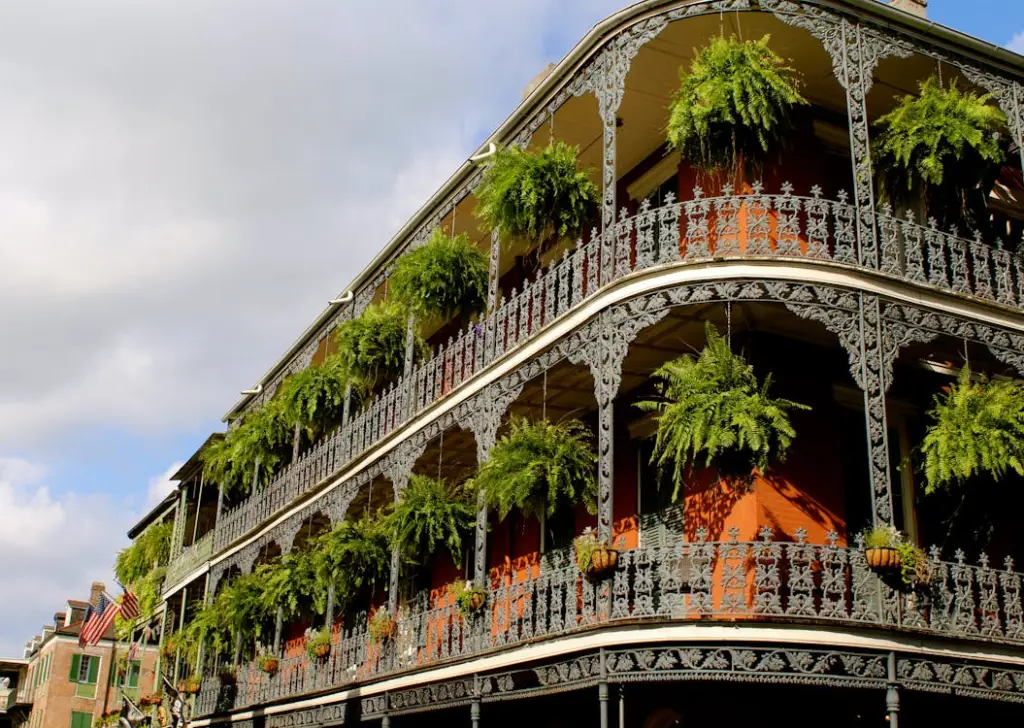
New Orleans possesses a unique cultural identity shaped by French, Spanish, African, and American influences. This blend creates the city’s distinctive architecture, music, food, and celebrations.
The French Quarter’s historic streets feature colorful Creole townhouses with ornate iron balconies. Jackson Square serves as the neighborhood’s heart, surrounded by artists, street performers, and the stunning St. Louis Cathedral. Bourbon Street’s famous nightlife draws crowds, but quieter streets like Royal Street offer antique shops and art galleries.
Music fills the air throughout New Orleans. Jazz originated here in the early 20th century, and live performances happen nightly in clubs along Frenchmen Street and throughout the city. The New Orleans Jazz & Heritage Festival each spring celebrates the city’s musical legacy.
The food alone justifies a visit. Creole and Cajun cuisines feature dishes like gumbo, jambalaya, po’boys, crawfish étouffée, and beignets from the famous Café du Monde. The city’s restaurant scene includes both historic establishments and innovative new kitchens.
Mardi Gras attracts massive crowds for weeks of parades and parties, but the city’s festive atmosphere and cultural richness make it worth visiting any time of year.
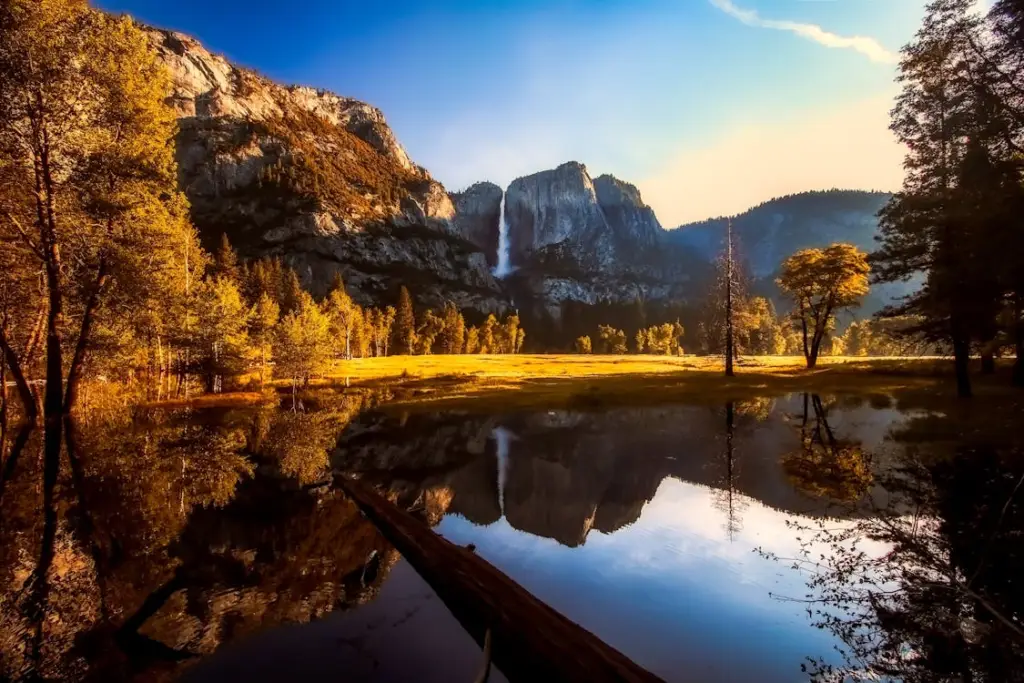
5. Yosemite National Park, California